
學院
以我們的標準訓練
源自我們實際工作方式的課程、複習與自我測驗。從基礎開始,更多內容即將推出。
量化基礎
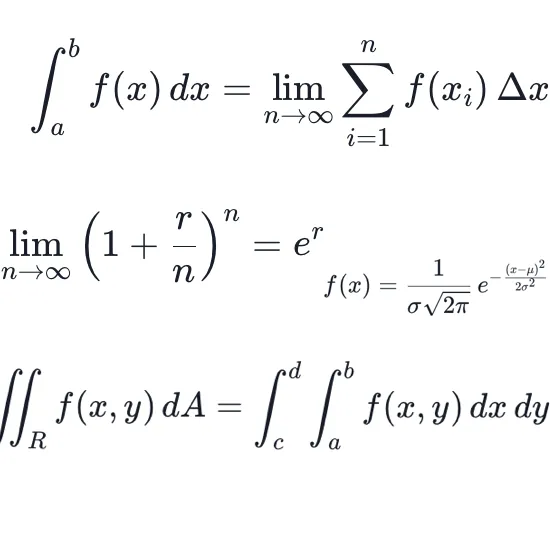
Maths Refresher Series (Finance) 穩定 級別 I
以六個模組複習金融數學:微積分、線性代數、機率、統計與隨機過程。
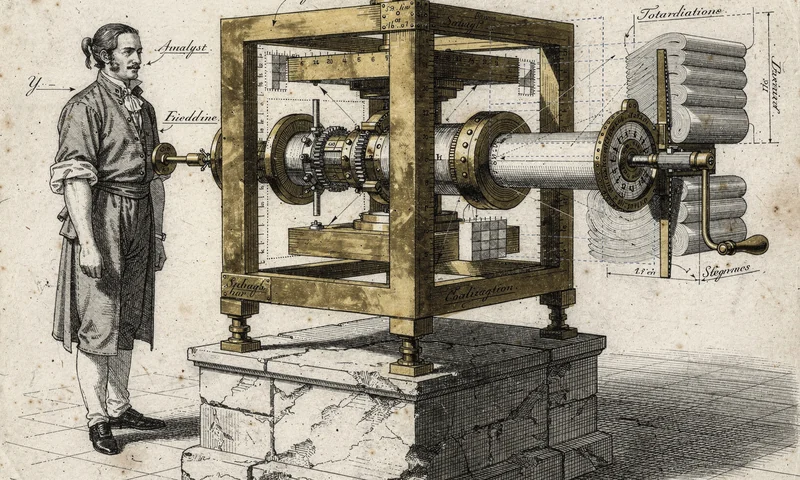
R: Statistical Computing experimental 級別 II
為必須為數字辯護的人而設的統計運算:用 tidyverse 整理資料、分布與推論、迴歸,以及可重現的分析與視覺化,是數學複習的分析夥伴。

System Dynamics 穩定 級別 II
互動式系統動力學課程:十四個可執行的存量與流量模型,從浴缸到臨界點,因果迴路圖入門,以及評分的準備度關卡,皆在您的瀏覽器中。

Quantitative Research Methods experimental 級別 IV
做出經得起檢驗的量化研究:尋找並查證一手來源、建立每個數字都可追溯的資料集、從雜訊與不完整的線索中萃取訊號,並在受到質疑時為資料與方法兩者辯護。一篇可信論文或分析的骨幹。
資料

Data Modeling experimental 級別 II
查詢之前的資料形狀:實體與關係、鍵與正規化,以及何時採用關聯式、文件式或圖形模型。整條學程其餘部分賴以建立的基礎。

SQL and the Relational Model experimental 級別 II
在 SQLite 上教授關聯式模型及其語言:聯結、彙總、視窗函式、交易與索引,並研讀查詢規劃器,讓你知道查詢為何慢,而不只是知道它慢。
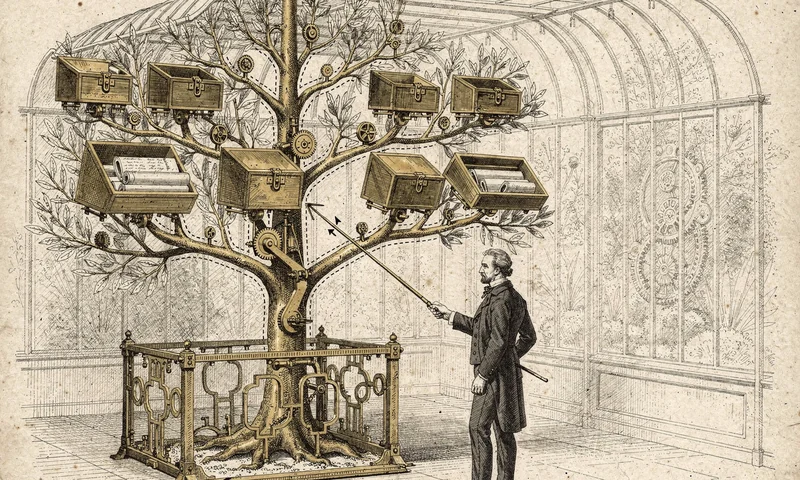
JSON and Semi-structured Data experimental 級別 II
塞不進表格的資料:文件與樹狀結構、JSONPath、依結構描述驗證,以及用 SQLite 的 JSON 函式就地查詢 JSON,正是關聯式與半結構世界相遇之處。

Graph Query with AdaGQL experimental 級別 III
把圖當成圖來查詢:節點、邊與路徑、模式比對與走訪,在 CCI 的 GraphDB 上以 AdaGQL 進行,解答聯結難以回答的問題。
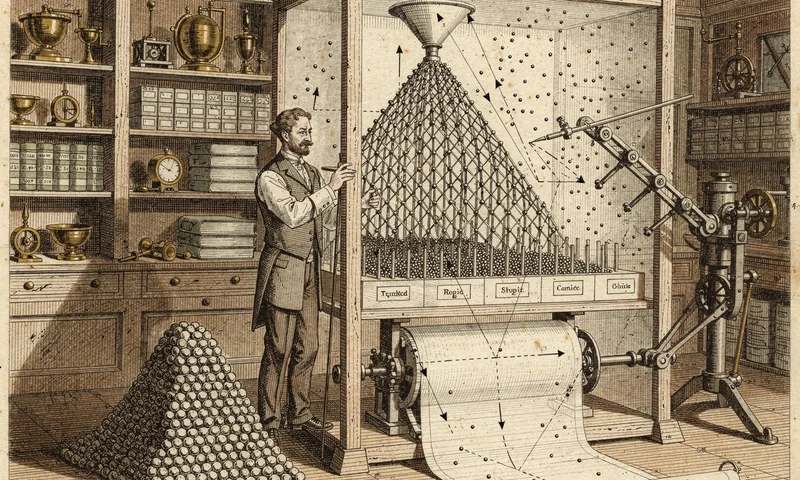
Cubes and OLAP experimental 級別 III
為分析而排列的資料:維度與量值、星狀綱要、上卷與下鑽,以及把資料列化為董事會看得懂之圖像的 OLAP 運算。
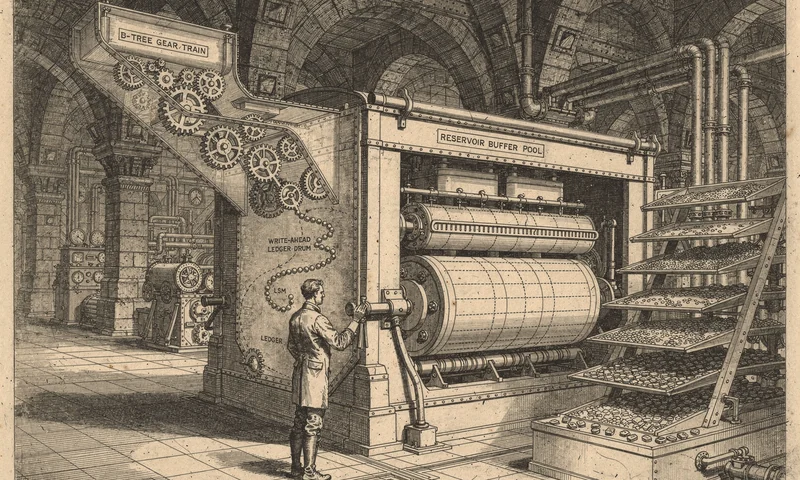
Storage Engines experimental 級別 IV
資料庫究竟如何運作,總整專案:B 樹與 LSM 樹、預寫日誌、多版本並行控制與緩衝池,動手打造 SQL 與 AdaGQL 賴以運行的引擎。
網路與電信
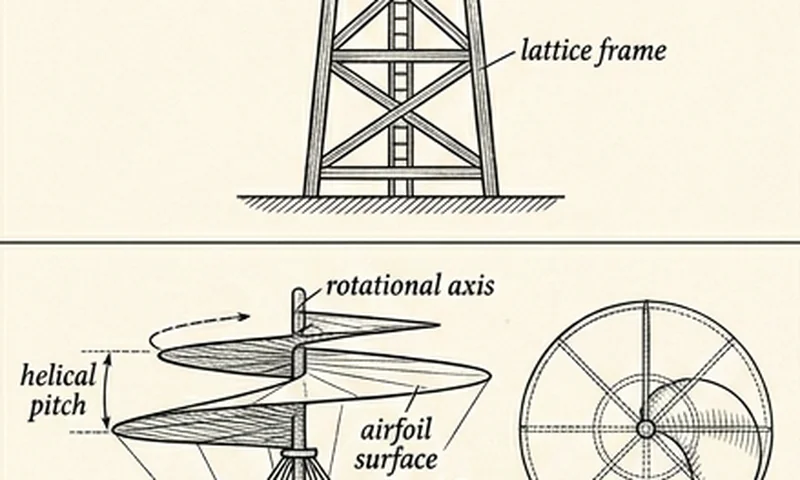
Telecommunications and Data Communication experimental 級別 II
從沙普光學電報到現代連結:訊號、調變、多工、錯誤控制與分層堆疊,從第一原理一路追溯到今日的網路。
IP Networks and Routing experimental 級別 II
封包如何找到路徑:定址與子網、路由表、OSPF 與 BGP 以及故障模式,在一個你可以弄壞再修好的互動式拓撲上探索。

Optics Primer Series 穩定 級別 II
十二單元的光學入門課程,從基本原理到全光邏輯閘:互動實驗(干涉、繞射、導波、邏輯閘)、計分測驗,以及十五種語言的入口,皆在瀏覽器中。
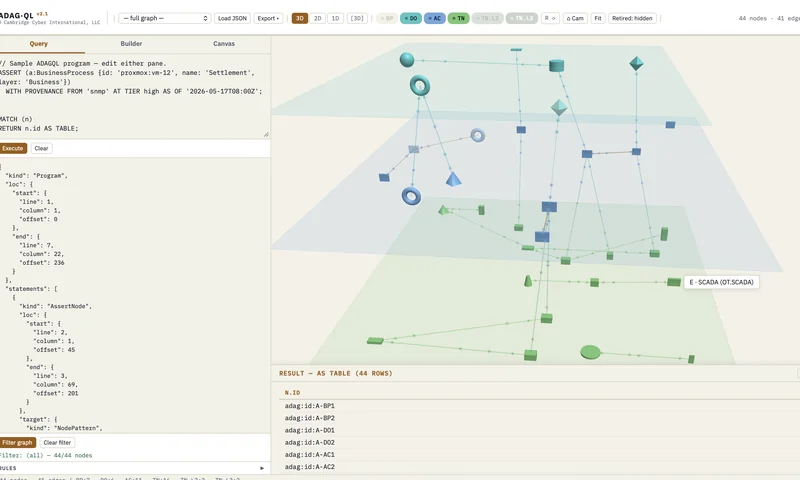
Secured Data Transmission experimental 級別 IV
一門關於安全資料傳輸的博士級(第四級)總整課程:將干擾、金鑰儀式與多路徑對應到 CIA 三要素,再從控制平面之爭(ATM 對 IP)經 SDN 與分段路由,一路追溯到可程式化晶片,全部在瀏覽器中自製的網路模擬器上進行。
系統
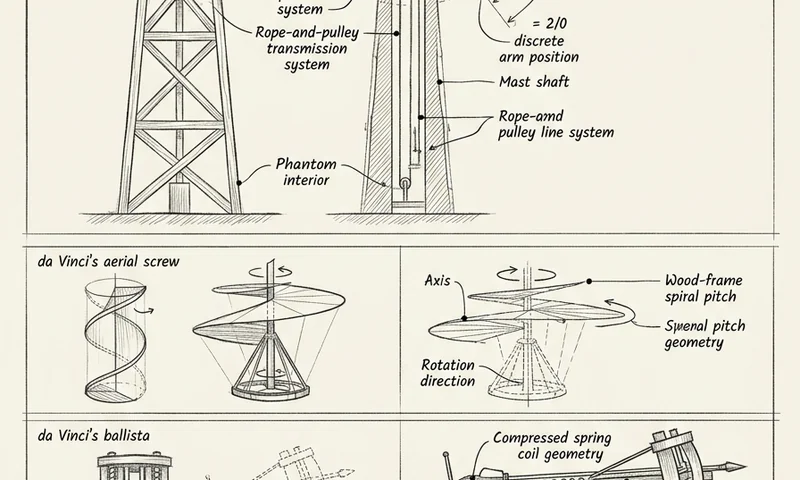
Digital Logic and Gateware experimental 級別 I
從電晶體到可運作的處理器:邏輯閘、布林與多值邏輯,以及完整的 FPGA/gateware 流程,在瀏覽器測試平台上一關接一關,最終做到一顆合成的 CPU 執行真正的程式。

Computer Architecture 穩定 級別 II
互動式 MIPS16 學習工具:指令集、組譯器與模擬器,皆在瀏覽器中。
Operating Systems experimental 級別 III
從裸機向上:行程與執行緒、虛擬記憶體、排程器、檔案系統與系統呼叫,透過一個可在瀏覽器中逐步檢視的小型互動核心來學習。
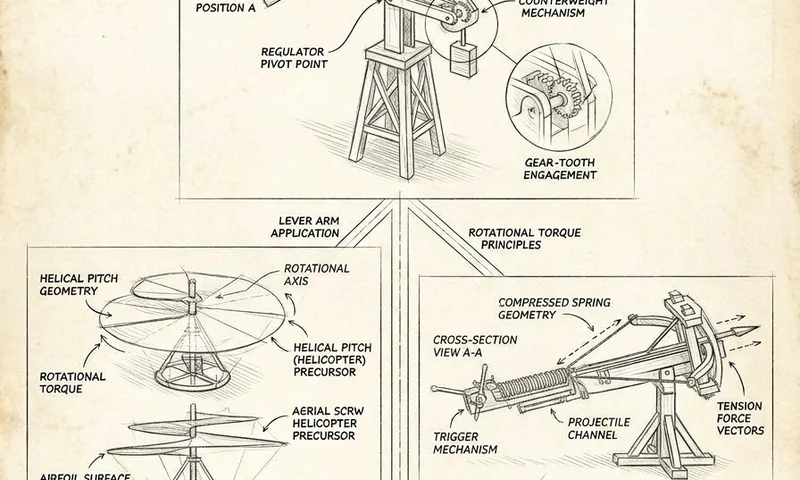
Compiler Design experimental 級別 IV
原始碼如何變成機器碼:詞法分析、語法分析、抽象語法樹、型別檢查、中間表示與程式碼產生,透過一個以 B 撰寫、可逐階段擴充的擴增冪等 B 編譯器來學習。
安全
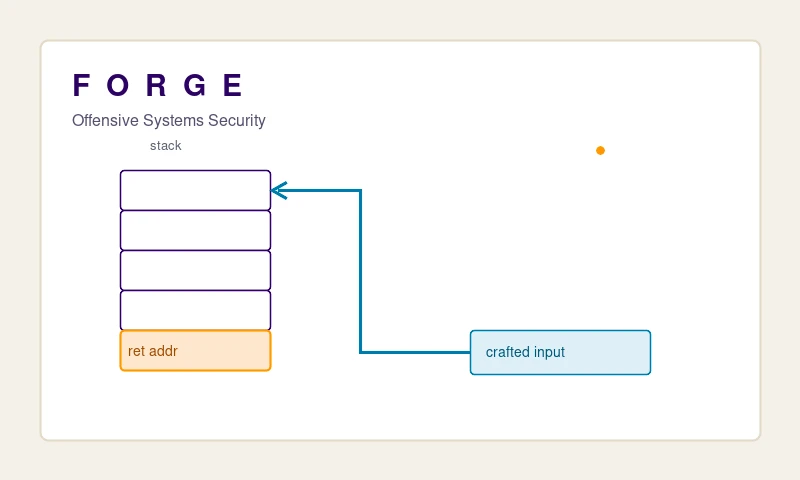
Offensive Systems Security experimental 級別 I
Seeing memory and control flow, then bending them inside a sandbox that never touches your machine: a foundational, defensively framed offensive-systems course where exploitation is demonstrated and contained, not just described.
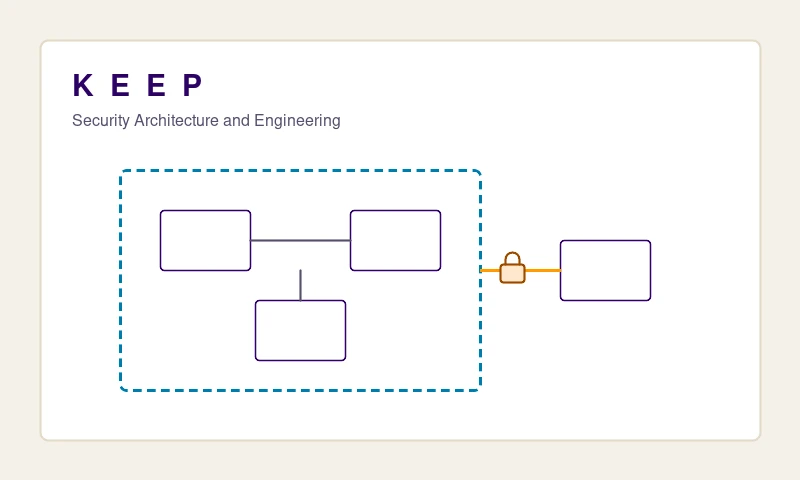
Security Architecture and Engineering experimental 級別 II
A system is a graph of trust boundaries, and you defend the graph: model an architecture, place and wire components against a brief, machine-check the security invariants, then survive an injected constraint you did not design for.
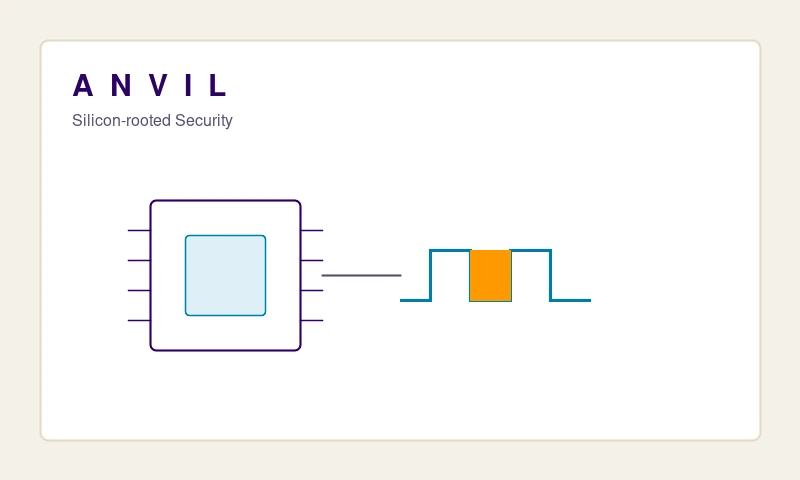
Silicon-rooted Security experimental 級別 III
Down from software abstraction to gates, datapaths and buses: add a security opcode to a RISC-V-class core, build a gateware cipher, protect the bus, root trust in hardware, model the attacks, and verify a security property in simulated silicon.
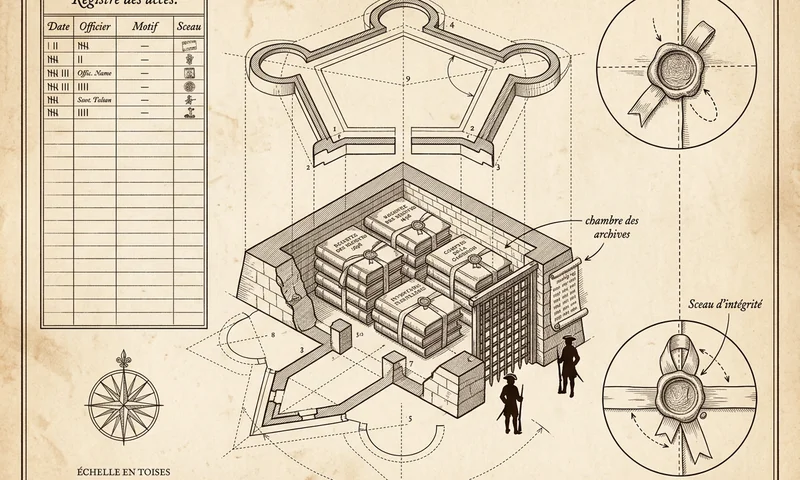
Systems Security experimental 級別 III
把縱深防禦當作工程而非口號:權限、隔離、威脅模型、記憶體安全與漏洞類別,透過先攻擊再強化一個刻意脆弱系統的實驗來學習。
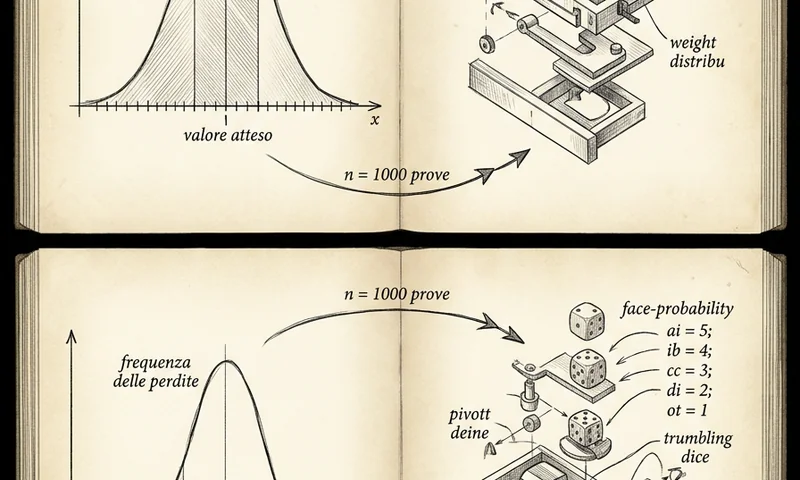
Cryptography experimental 級別 III
讓機密可被證明的數學:模算術、對稱與公開金鑰機制、雜湊與簽章,從第一原理建構每一個基本元件。
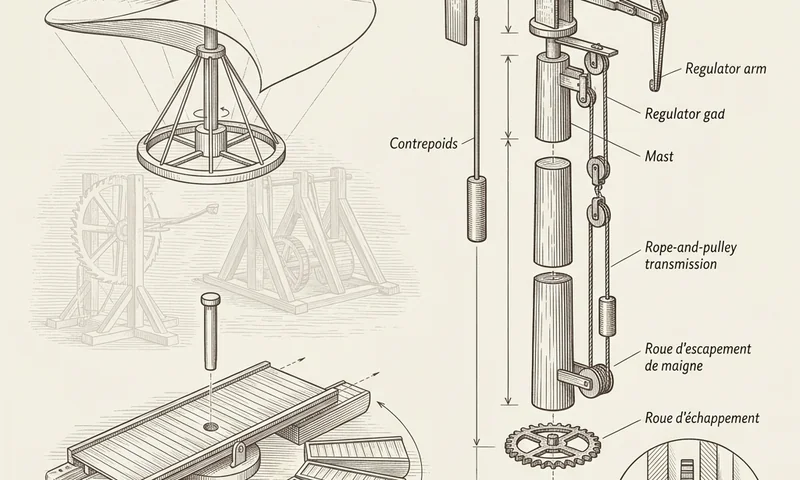
Reverse Engineering experimental 級別 III
拆解軟體以理解它:反組譯、呼叫慣例、靜態與動態分析以及二進位修補,在瀏覽器沙箱中的小型目標上實作。
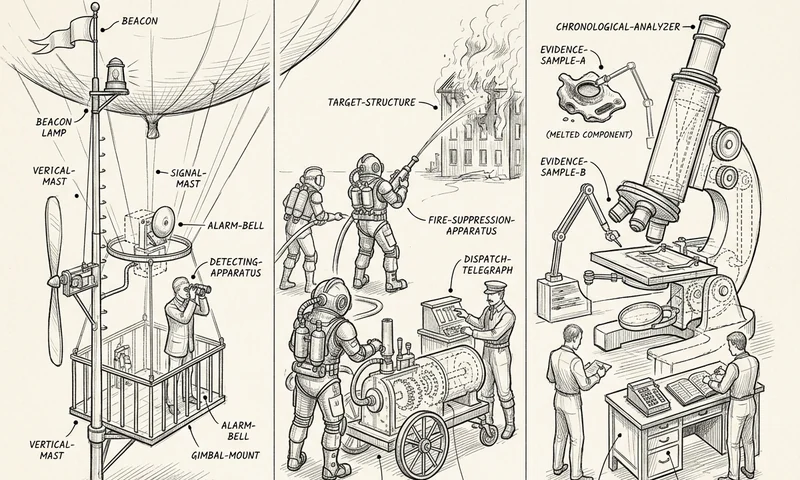
Detect, Respond, Forensics experimental 級別 III
當預防失效時該怎麼做。遙測與偵測工程、分流與遏制、記憶體與磁碟鑑識,以及時間軸重建,全部在一個你必須界定範圍、清除並說明的受駭系統上實作。

Cyber Threat Intelligence experimental 級別 III
The intelligence cycle applied to the cyber domain: threat actor profiling with the Diamond Model, the Cyber Kill Chain and MITRE ATT&CK, analytic tradecraft under uncertainty, sharing formats and platforms, and closing the loop from intelligence into detection engineering.

Web and Mobile Security experimental 級別 III
From a static document viewer to a scriptable, sandboxed, cellular-connected attack surface: browser process isolation, modern web runtimes, the WebRTC privacy leak, mobile OS security, telemetry, zero-click exploitation, and the baseband and SIM Toolkit layers beneath it all.

Cyber-Physical and OT Security experimental 級別 III
From the Purdue Model to the shop floor: SCADA, ICS and PLCs, a source-checked history of incidents, IEC 62443, and the case for physical segregation, closing the CyBOK Cyber-Physical Systems gap.
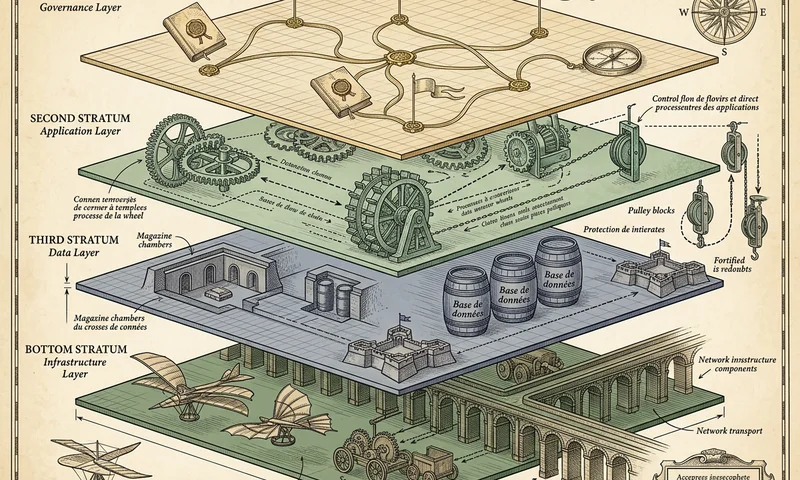
Secure Development at Scale experimental 級別 III
能撐起上千個應用的安全:威脅建模、安全 SDLC、供應鏈完整性與政策即程式碼,整合進管線並由真正的審查關卡評分。
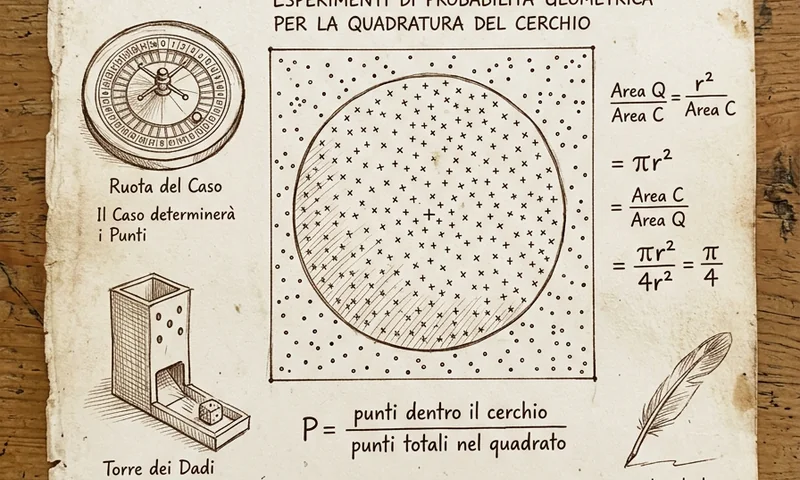
Formal Methods experimental 級別 IV
為系統撰寫規格並證明其正確:以 SPIN 與 PROMELA 進行模型檢查、以 TLA+ 撰寫規格,產出 Common Criteria 評估在較高保證等級所期望的那種證據。

Adversarial ML and GenAI Security experimental 級別 III
攻擊並防禦模型,從分類器時代到代理式時代:規避、投毒、擷取、提示注入與代理風險,並以一條輕量的AI治理與保證主線貫穿全程。
Distributed Systems Security experimental 級別 IV
Consensus, Byzantine fault tolerance, clock and event-ordering attacks, and blockchain security, from Lamport's 1978 logical clocks through Paxos, Raft, and Practical Byzantine Fault Tolerance to Bitcoin and SUNDR, benchmarked against MIT's current 6.5840 and 6.852J, with Plan 9 and Inferno as a contrasting historical case study.

Scams and Social Engineering experimental 級別 II
透過從RSA到MGM Resorts的真實事件,剖析詐騙與社交工程的本質、心理與歷史,並提供可轉移的分析框架,以及針對高階主管、財務主管、工程師與接待人員的角色導向教學指引。

Technical Countermeasures to Social Engineering experimental 級別 III
針對社交工程與詐騙散布的技術對策,涵蓋貝氏與規則式過濾、電子郵件驗證、人工智慧偵測與語音通道防詐控管,並以董事會能理解的治理語言呈現。
治理與保證

Implementing Regulations atop an ISMS experimental 級別 III
建置一套ISO/IEC 27001資訊安全管理系統,並將其對應至NIS2、DORA、《網路韌性法案》與法國LPM。一套管理系統,四種法規視角,於模擬驗證稽核中加以捍衛。

Governance, Risk and Audit experimental 級別 II
安全治理即方案、風險即生命週期、資訊系統稽核即方法:一條教學主軸,涵蓋CISA與CRISC視角,並在CCICCS自有成品上實作。

Data Privacy Law and the Data Protection Officer experimental 級別 II
The history and comparative law of the privacy right, from its 1890 common-law origin through the General Data Protection Regulation, the Californian, Indian, Malaysian, and United Kingdom statutes, to the Data Protection Officer role and the unresolved Chat Control 2.0 encryption-scanning debate.
創業
Digital Brand and Demand experimental 級別 II
像工程師一樣為事業做行銷:把目標人物轉化為合格潛在客戶,當作一個可衡量的系統。品牌與訊息、好用且精心製作的網站、餵養漏斗的社群與搜尋管道,以及證明什麼真正奏效的歸因,全部依照評斷網路本身的準則來教授。
Entrepreneurship experimental 級別 III
像工程師一樣打造事業:問題與解決方案契合、單位經濟、作為賽局理論的競爭策略以及募資,透過一個虛構新創 Acme 的連貫案例,從最初構想到投資條件書。

Digital Marketing for Cybersecurity Vendors experimental 級別 II
Digital marketing for cybersecurity vendors, treating artificial intelligence as a tool inside the discipline rather than the subject itself, from decision-committee mapping through campaign mechanics, AI-assisted content, quantitative marketing analytics, AI ethics for regulated buyers, and a real capstone marketing plan.
人工智慧

AI Foundations: From Zero to a Self-Trained Model experimental 級別 I
From the perceptron to a self-hosted, tool-using model you built, trained and run yourself: a foundational course covering AI and machine-learning fundamentals, home-lab hardware, local model serving, voice, the open-weight model landscape, automation and a capstone that fine-tunes and deploys your own specialised model.

No-Code and Agentic AI experimental 級別 II
無碼與代理AI:從分群與回歸分析到大型語言模型、檢索增強生成與多代理人編排,在不寫一行程式碼的情況下設計、評估並治理AI驅動工作流程。